

One transformative strategy that has emerged is the concept of a Virtual Talent Bench. This approach not only redefines team dynamics but also ensures organizations remain agile and competitive. So, let’s dive into this exciting topic and explore how it can revolutionize your business operations. What is a Virtual Talent Bench? Imagine having a magic […]
Read MoreYou're using an older version of Internet Explorer that is no longer supported. Please update your browser.
You're using an older version of Internet Explorer and some functionality may not work as expected. Please update your browser for the best experience.
February 15th, 2024
Top 15 Career Blogs You Shouldn’t Miss in 2024
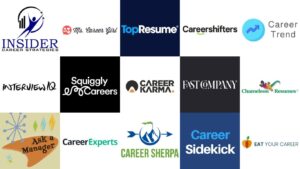
As we step into 2024, the professional landscape continues to evolve, making it more important than ever to stay ahead in your career development journey. Whether you’re just starting, looking to pivot, or aiming to climb the corporate ladder, the right guidance is paramount. That’s where our curated list of the Top 15 Career […]
Read MoreFebruary 14th, 2024
Remote Leadership Mastery: 7 Essential Skills for Leading Distributed Teams

The demand for effective remote leadership has surged. The art of leading distributed teams has become a critical skill set for managers and leaders across industries. As remote work transitions from a temporary solution to a permanent fixture, mastering remote leadership has never been more crucial. This article dives into the essential skills that every […]
Read MoreFebruary 2nd, 2024
Cybersecurity Jobs in 2024: 7 Skills That’ll Land You the Perfect Gig

In the rapidly evolving tech landscape, cybersecurity remains a critical concern for businesses and individuals alike. As we step into 2024, the demand for skilled professionals in this field has skyrocketed, making it a lucrative career path for many. However, with great demand comes great competition. So, what skills do you need to stand out […]
Read MoreJanuary 22nd, 2024
5 Proven Strategies to Slay Your Work-Life Balance in 2024

In our fast-paced, digitally connected world, achieving a harmonious work-life balance can sometimes feel like a distant dream. The relentless demands of our careers, coupled with the constant pull of personal responsibilities, often leave us teetering on the edge of burnout. But what if 2024 could be the year you finally master the art of […]
Read MoreJanuary 15th, 2024
Career vs Job: Making the Right Choice for Your Future

When embarking on our professional journey, the terms ‘Career vs Job’ frequently arise, presenting a pivotal choice influencing our future. At first glance, these terms may appear interchangeable, yet they possess distinct meanings and implications. A ‘job’ refers to a specific role or position within an organization primarily aimed at earning income. It is often […]
Read MoreJanuary 11th, 2024
The 9 AI Tools You Need: Your Ultimate Freelancer Toolbox for 2024

The freelance landscape is evolving, and staying ahead of the curve requires harnessing the power of artificial intelligence (AI). In this comprehensive guide, we’ll introduce you to the top 9 AI tools that are set to transform the way you work, boost your productivity, and elevate the quality of your services as a freelancer. The […]
Read MoreDecember 21st, 2023
Startup Launch 101: Building Your Business from the Ground Up

Are you ready to embark on the thrilling journey of entrepreneurship? Launching your startup and building a business from the ground up is an exhilarating endeavor that comes with its unique set of challenges and rewards. In this comprehensive guide, we’ll walk you through the essential steps of entrepreneurship, providing you with valuable tips and […]
Read MoreDecember 14th, 2023
Mastering the Art of Transitioning to a New Industry

In today’s rapidly evolving job market, the ability to adapt and transition to a new industry is a valuable skill. Whether you’re seeking new opportunities or looking to explore a passion, changing industries can be both exciting and challenging. In this comprehensive guide, we’ll walk you through the process of making a successful industry transition. […]
Read MoreDecember 7th, 2023
8 Tips for Thriving Freelance Marketplace Success

Introduction Are you tired of the typical 9-to-5 routine and yearning for a more flexible work-life? Freelancing might be your solution. In today’s digital age, the freelance world is thriving, offering endless opportunities for those with the skills and determination to succeed. But how do you excel in this competitive landscape? That’s what we’ll explore. […]
Read More


Copyright © 2022 BC Jobs Online Inc.